
When buyers start comparing trailers, one of the most important — and most misunderstood — decisions is axle configuration.
Single-axle or tandem-axle?
At first glance, the difference seems simple: one axle versus two. But in real-world hauling across Michigan, Northern Ohio, and Northern Indiana, axle configuration affects far more than just appearance.
It impacts:
- Load capacity
- Stability and control
- Ride quality
- Tire wear
- Maintenance cost
- Long-term durability
Choosing the wrong axle setup for your load can lead to instability, premature wear, unnecessary expense, or constant frustration. Choosing the right one makes towing safer, smoother, and more predictable.
This guide breaks down what truly matters when deciding between single-axle and tandem-axle trailers — and how your load should drive the decision.
Understanding The Structural Difference
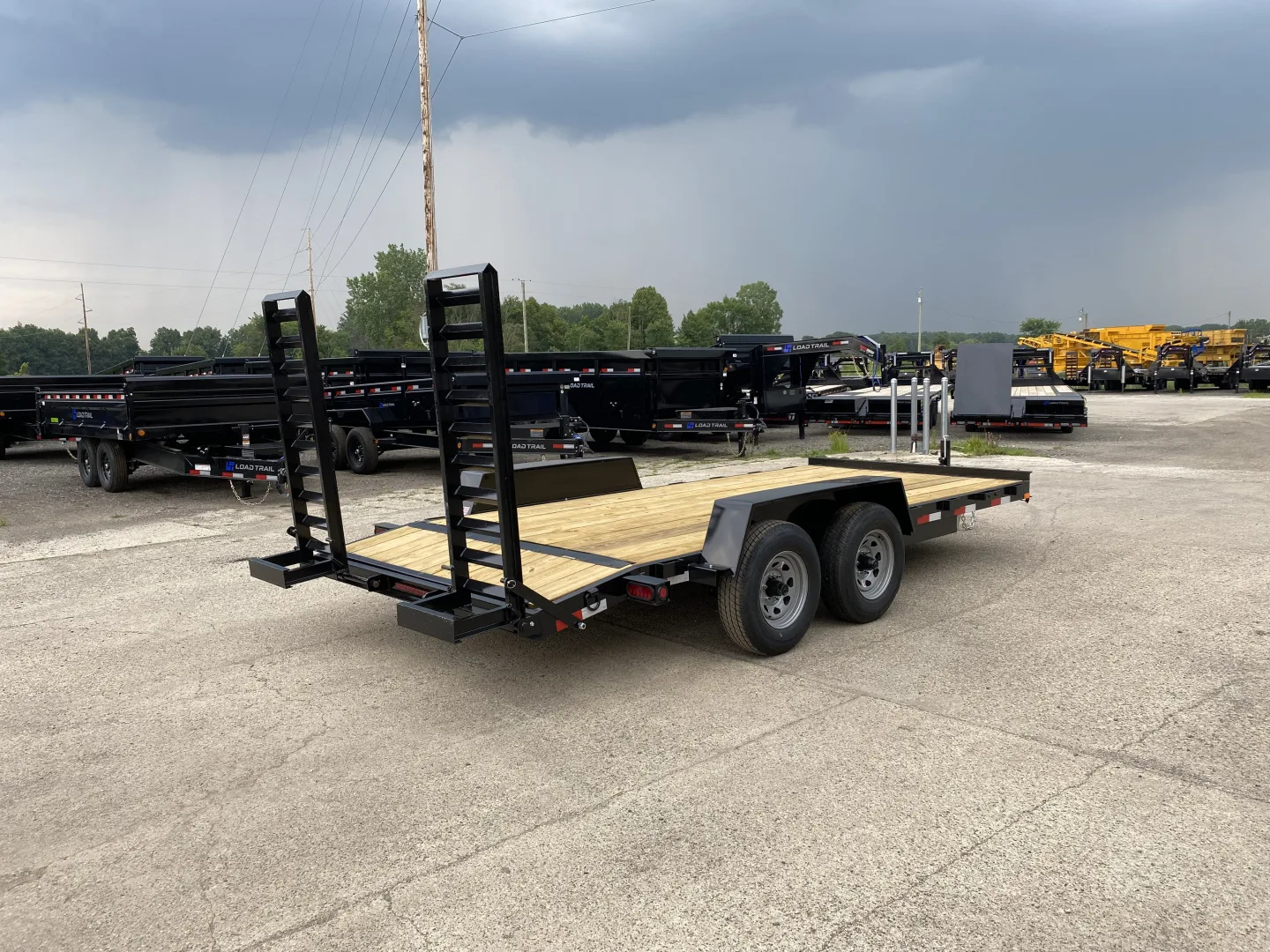
A single-axle trailer has one axle with one set of wheels. A tandem-axle trailer has two axles, typically spaced a few feet apart, with two sets of wheels.
While this may seem like a minor difference, the structural implications are significant.
Single-axle trailers distribute weight over two tires. Tandem-axle trailers distribute weight across four tires. That alone changes how the trailer handles weight, braking, and road conditions.
The key question is not which is better overall — it is which makes sense for your load.
When A Single-Axle Trailer Makes Sense
Single-axle trailers are often ideal for lighter, more predictable loads.
They are commonly used for:
- Small equipment
- Lawn and landscaping tools
- Light construction materials
- Occasional hauling
- Residential projects
Advantages Of Single-Axle Trailers
Lower Initial Cost
With fewer components, single-axle trailers generally cost less upfront.
Reduced Maintenance
Fewer tires, fewer brakes, and fewer moving parts mean lower maintenance requirements over time.
Lighter Weight
Single-axle trailers are typically lighter, making them easier to tow with smaller trucks or SUVs.
Tighter Turning Radius
In metro and suburban environments, shorter single-axle trailers can be easier to maneuver in tight spaces.
For buyers hauling lighter loads in urban or residential settings, single-axle setups can be efficient and practical.
The Limitations Of Single-Axle Setups
While single-axle trailers have benefits, they also come with constraints.
Lower Weight Capacity
Because the entire load rests on one axle, single-axle trailers have lower overall payload ratings.
Less Stability At Higher Speeds
With only two wheels supporting the trailer, there is less stability, especially on highways or uneven roads.
Higher Impact From Tire Failure
If one tire fails, the entire load shifts dramatically, increasing risk.
For buyers hauling heavier or high-value loads, these limitations become important considerations.
When A Tandem-Axle Trailer Makes Sense
Tandem-axle trailers are designed for heavier loads and more demanding conditions.
They are commonly used for:
- Skid steers and compact equipment
- Larger material loads
- Vehicle hauling
- Frequent commercial use
- Long-distance towing
Advantages Of Tandem-Axle Trailers
Higher Load Capacity
Weight is distributed across four tires, increasing payload capacity and structural stability.
Improved Stability And Tracking
Tandem axles provide smoother tracking at highway speeds and greater control in wind or uneven terrain.
Better Weight Distribution
Heavy or concentrated loads are better supported with reduced stress on any single tire or axle.
Safer Handling In Case Of Tire Issues
If one tire fails, the remaining axle helps stabilize the trailer, reducing sudden load shift.
For contractors and commercial haulers in the Midwest, tandem-axle setups often provide peace of mind during long rural hauls or heavy-duty jobs.
How Load Type Should Drive The Decision
The most important factor in choosing between single and tandem axles is not how often you haul — it is what you haul.
Light Equipment And Tools
If your loads are consistently:
- Under moderate weight limits
- Evenly distributed
- Used primarily for short distances
A single-axle trailer may perform perfectly well.
Heavy Equipment Or Dense Materials
If you regularly haul:
- Machinery with concentrated weight
- Wet gravel or soil
- Vehicles
- Dense construction materials
A tandem-axle trailer offers stronger structural support and safer towing dynamics.
When evaluating your load, always consider the heaviest realistic scenario — not the average one.
Midwest Terrain And Weather Considerations
In Michigan, Northern Ohio, and Northern Indiana, terrain and seasonal conditions influence axle decisions more than many buyers realize.
Rural gravel roads, uneven surfaces, snow, and ice create added stress on trailers.
Tandem axles often perform better in:
- Long-distance rural hauls
- Rough or uneven terrain
- Winter driving conditions
- Highway travel with crosswinds
Single axles can perform well in:
- Shorter metro trips
- Controlled suburban environments
- Light-duty seasonal use
Environmental context should always factor into axle selection.
Maintenance And Long-Term Ownership Costs
It is true that tandem-axle trailers have:
- More tires
- More brakes
- More bearings
This increases maintenance cost over time.
However, tandem setups often reduce:
- Tire wear per wheel
- Frame stress
- Suspension strain
- Long-term structural fatigue
For heavy commercial use, the added maintenance cost may be offset by improved durability and fewer breakdowns.
Single-axle trailers are simpler to maintain but may experience faster wear if consistently pushed near capacity.
Ride Quality And Towing Experience
Tandem-axle trailers typically provide:
- Smoother ride at highway speeds
- Less bounce on uneven roads
- Better resistance to sway
Single-axle trailers may:
- Feel lighter and easier at low speeds
- Be more responsive in tight turns
- Bounce more noticeably on rough terrain
For buyers who tow long distances across the Midwest, ride stability often becomes a deciding factor.
The Most Common Mistake Buyers Make
One of the most frequent mistakes is choosing a single-axle trailer because it is less expensive — without considering future growth.
As businesses expand, loads often increase. What once felt sufficient can quickly become restrictive.
Upgrading later costs more than choosing appropriately the first time.
When in doubt, buyers should ask:
- Will my loads increase over the next three to five years?
- Am I already close to weight limits?
- Do I frequently drive long distances?
Planning for realistic growth often favors tandem configurations.
Choosing Based On Fit, Not Just Price
The best axle decision is based on:
- Load weight
- Load concentration
- Distance traveled
- Terrain conditions
- Frequency of use
There is no universal right answer. There is only the configuration that aligns with your real-world hauling demands.
Having access to multiple configurations makes it easier to compare options and make an informed decision.
👉 View All Available Trailers
https://www.usa-trailer.com/all-inventory/
Final Thought: Match The Axle To The Work
Axle configuration is not just a technical detail. It defines how your trailer performs under pressure.
A properly matched axle setup:
- Improves safety
- Reduces wear
- Enhances stability
- Makes towing more predictable
Whether single or tandem, the right choice is the one that supports your load — not the one that simply lowers the purchase price.
If you are unsure which configuration fits your hauling needs, reviewing available options side by side is the smartest next step.
👉 Browse All Inventory At USA Trailer Sales
https://www.usa-trailer.com/all-inventory/