
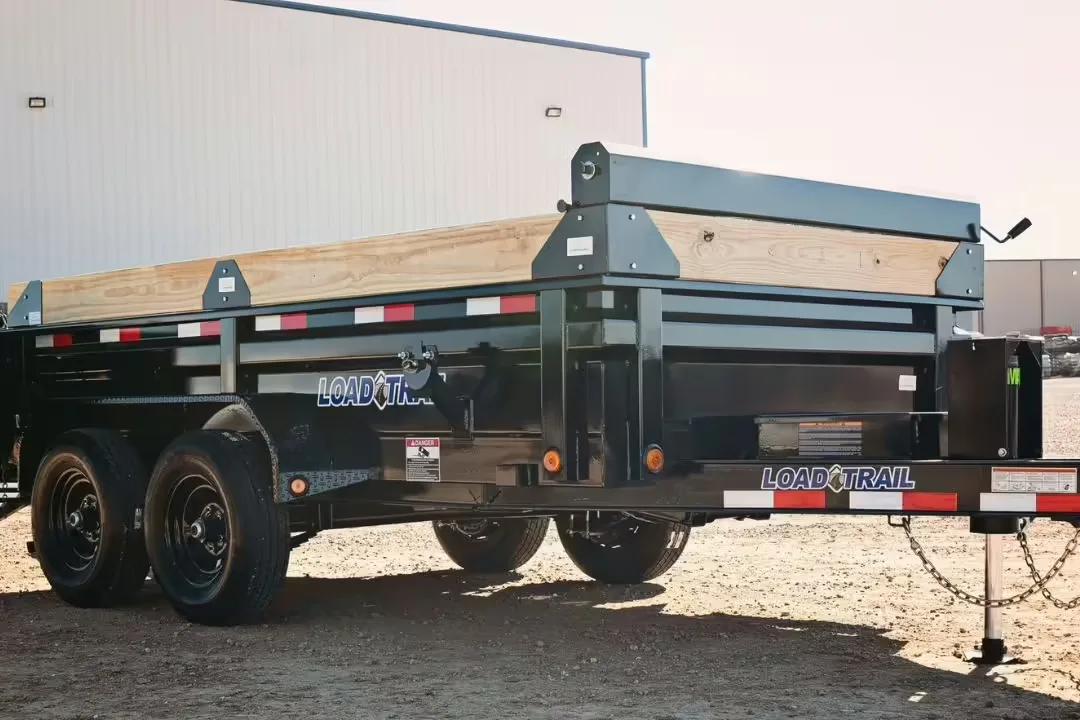
What Size Dump Trailer Do I Actually Need?
Comparing 10-foot, 12-foot, 14-foot, and 16-foot dump trailers — and how to match the right one to your truck, your jobs, and your business goals.
When you start shopping for a dump trailer, one of the first questions that comes up is simple: what size actually makes sense for the kind of work you do? It's easy to assume bigger is better, but that's not always true. The right dump trailer size depends on what you haul, how often you haul it, what kind of truck you drive, and the kinds of jobsites you work in every day.
A trailer that's too small can slow you down, force extra trips, and limit the types of jobs you can take on. A trailer that's too large can create towing issues, make tight jobsites harder to navigate, and cost more than you really need to spend. That's why choosing the right dump trailer is less about buying the biggest unit on the lot and more about matching the trailer to your real-world work.
At USA Trailer Sales, many buyers are trying to figure out whether they need a 10-foot, 12-foot, 14-foot, or 16-foot dump trailer. Some are landscapers hauling mulch, brush, and soil. Others are contractors moving debris, concrete, or roofing tear-off. Some are property owners who want a trailer that can handle cleanup, grading, and occasional equipment transport. Each of those buyers may need something different.
Why Dump Trailer Size Matters
The size of your dump trailer affects a lot more than just how much material you can load. It changes how easy the trailer is to tow, how well it fits on a jobsite, what kind of truck can safely pull it, and how flexible it will be for future work.
A shorter trailer may be easier to back into a driveway, turn around in a tight neighborhood, or use behind a lighter-duty truck. A longer trailer may give you the ability to take on larger cleanup jobs, haul bulk material more efficiently, or load certain equipment more comfortably. The goal is to avoid buying based on guesswork.
When buyers search for the best dump trailer size, what they're really asking is this: which trailer will help me work efficiently today without forcing me to upgrade too soon tomorrow?
The First Question: What Will You Be Hauling?
Before you choose a dump trailer size, think about your most common loads. This matters more than almost anything else.
Light Materials: Mulch, Brush, Leaves, and Yard Debris
If you mostly haul mulch, brush, leaves, or yard debris, you may not need the same trailer that a demolition contractor or gravel hauler needs. Light materials take up a lot of volume but don't always add the same kind of weight. In these cases, side height and bed length can matter just as much as raw capacity.
Heavy Materials: Gravel, Dirt, Concrete, and Roofing Debris
If you regularly move gravel, dirt, sand, concrete chunks, asphalt, or roofing debris, you need to think carefully about weight. Heavy materials can overload a trailer much faster than many first-time buyers realize. In those situations, choosing the right dump trailer isn't just about length — it's also about GVWR, axle setup, brakes, and overall trailer construction.
Mixed-Use Jobs: Landscaping, Cleanup, and Equipment Transport
Many buyers want one dump trailer that can do a little bit of everything. Maybe you do landscaping during one part of the season and property cleanup during another. Maybe you want to haul material, brush, and the occasional compact machine. In that case, versatility becomes very important — and that often pushes buyers toward a more capable trailer that can grow with their workload.
Dump Trailer Sizes Compared: 10ft, 12ft, 14ft, and 16ft
While there's no universal answer, there are common patterns that help narrow down the right dump trailer size for your needs. Here's how the most popular sizes break down.
10-Foot Dump Trailers
A 10-foot dump trailer is often attractive to buyers who want compact size, easy maneuverability, and a lighter overall setup. This size can work well for smaller residential jobs, homeowner projects, light landscaping, and cleanup work where tight spaces are common.
Best For
- Small residential cleanup jobs
- Mulch, brush, and yard waste
- Tighter driveways and neighborhoods
- Buyers with limited storage space
Things to Watch
A 10-foot unit can be limiting if your business starts growing. It may fill up quickly on larger debris jobs or force you to make more trips than you want. If you expect to scale up, this size may feel small sooner than expected.
12-Foot Dump Trailers
A 12-foot dump trailer is one of the most practical and popular options for buyers who want a balance of maneuverability and working capacity. It's often a strong fit for landscapers, property maintenance crews, and contractors doing a mix of residential and light commercial work.
Best For
- Landscaping companies
- Property maintenance work
- Brush, dirt, mulch, and light debris
- Buyers who want better capacity without going too large
Why Buyers Like It
A 12-foot dump trailer is often large enough to be productive but still manageable on many common jobsites. For many small business owners, it offers one of the best all-around combinations of size and usability.
14-Foot Dump Trailers
A 14-foot dump trailer is often the sweet spot for buyers who need real working capability and don't want to outgrow their trailer too quickly. This size is popular with contractors, more established landscapers, and buyers who want a trailer that can handle more serious loads and a wider range of jobs.
Best For
- Construction and remodeling debris
- Larger landscape installs
- Heavier seasonal cleanup
- Buyers who want to future-proof their purchase
Why It Stands Out
A 14-foot dump trailer gives you more room to work without automatically pushing you into the largest trailer category. For many businesses, this is the size where efficiency starts to improve in a noticeable way — it reduces extra trips and opens up more job possibilities.
16-Foot Dump Trailers
A 16-foot dump trailer is generally a better fit for buyers who already know they need higher volume, bigger jobs, or more material movement on a regular basis. This is often where commercial use becomes a stronger factor.
Best For
- Larger debris removal jobs
- Bulk material hauling
- Bigger crews and heavier daily use
- Contractors with the right truck and towing setup
Things to Consider
A 16-foot dump trailer can be extremely useful, but it's not the best fit for everyone. It takes more space, can be harder to maneuver, and may not be ideal for buyers working in tighter residential environments. You also need to make sure your truck is truly ready for the trailer and the loads you plan to haul.
Your Dump Trailer and Your Truck Need to Match
One of the biggest mistakes buyers make is shopping for a dump trailer based only on what they want to haul without considering what their truck can safely tow. Your truck is a major part of this decision.
If you buy a trailer that's too much for your truck, you may end up with poor towing performance, reduced safety, increased wear, and limits on how much you can actually load. That defeats the point of buying a more capable trailer.
Think Beyond Empty Trailer Weight
Many buyers focus on the trailer's empty weight, but the real question is what the dump trailer weighs after it's loaded. Dirt, stone, concrete, and shingles add up fast. A trailer that feels manageable empty can become a very different story once it's carrying real jobsite material.
Consider Your Real-World Towing Conditions
Think about your usual routes. Are you driving short local distances or spending time on highways? Are you working in flat areas or pulling through hilly terrain? Are you entering tight neighborhoods, jobsite gates, and narrow drives? The right dump trailer size has to work in actual conditions, not just on paper.
Tight Jobsites vs. Bigger Capacity: Finding the Balance
A lot of buyers are trying to balance two competing needs. They want enough trailer to be efficient, but they also need something that fits where they work.
If most of your jobs are in established neighborhoods with small driveways, crowded curbs, and limited space to turn around, a shorter dump trailer may help you work faster and with less hassle. If your jobs are larger and more open — or if you're doing more rural, commercial, or acreage-based work — a larger trailer may make better sense.
When a Smaller Trailer Is Better
- You primarily work on smaller residential lots
- Your loads are moderate
- Maneuverability matters every day
- Your truck is lighter-duty
- Trailer storage space is limited
When a Larger Trailer Is Better
- You're making too many trips with a smaller trailer
- Your work includes bigger cleanup or construction jobs
- Your crew is growing
- You want one trailer to cover more job types
- Your truck can safely handle the setup
Should You Buy a Dump Trailer for Today or for Growth?
This is where many buyers get stuck. Do you buy the trailer that fits your current workload exactly, or do you buy something larger so you don't have to trade up later?
The answer depends on how stable or how fast-moving your business is. If your current work is consistent and unlikely to change much, buying exactly for today can be a smart way to manage cost. But if you're taking on larger jobs, adding services, or trying to grow your business, buying a more capable dump trailer may save you money and hassle in the long run.
Signs You Should Think Bigger
You're already near the limit of what you haul now. You want to take on larger cleanup or hauling jobs. You're expanding from maintenance into installs or construction support. You don't want to replace the trailer in a year or two.
Signs You Should Stay More Conservative
Most of your work stays local and residential. Space is a constant issue. Your truck has limited towing capacity. Your loads stay on the lighter side. You want simplicity and ease of use over maximum capacity.
The Cost of Buying the Wrong Dump Trailer Size
Choosing the wrong dump trailer size can cost more than people expect.
A trailer that's too small may force more trips, slow down your crew, and keep you from taking on profitable work. A trailer that's too big may increase your purchase cost, strain your truck, create maneuverability problems, and feel like overkill for the jobs you actually do.
That's why the best dump trailer is usually the one that balances present workload, truck compatibility, and future growth without overshooting what you can realistically use.
Questions to Ask Before You Buy a Dump Trailer
Before you make a decision, ask yourself a few practical questions.
What Do I Haul Most Often?
Think about the materials you move weekly, not just the occasional one-off project.
How Tight Are My Jobsites?
Consider driveways, neighborhoods, gate access, turn radius, and storage.
What Can My Truck Safely Pull?
Be realistic about fully loaded conditions, not just empty trailer specs.
Am I Buying for Current Work or Future Work?
Try to decide whether you want a trailer that fits right now or one that supports the next stage of growth.
How Important Is Versatility?
Some buyers need a dedicated material hauler. Others want a more flexible dump trailer that can support multiple revenue streams.
Choosing the Right Dump Trailer for Real Jobs
If you're trying to decide what dump trailer size you actually need, the best answer starts with your work, your truck, and your goals. A 10-foot or 12-foot trailer may be ideal for lighter residential work and tighter jobsites. A 14-foot trailer often hits the sweet spot for many growing businesses. A 16-foot trailer can be the right move when bigger jobs, larger crews, and higher volume are part of your day-to-day operations.
There's no single best dump trailer for everyone. The right choice is the one that helps you work efficiently, tow confidently, and avoid outgrowing your equipment too quickly.
At USA Trailer Sales, we help buyers think beyond brochure specs and focus on how a trailer will actually perform in the field. If you're comparing dump trailers and want help narrowing down the right size for your work, the right starting point isn't what looks biggest on paper — it's what makes the most sense for the jobs you do every week.
Ready to Find Your Dump Trailer?
Browse our in-stock dump trailers across seven Michigan locations, or get in touch with our team to talk through the best size for your work.